
By: Andy Doyle
Once you find a property you want to buy in Ireland, the next step is usually pretty simple:
You make an offer.
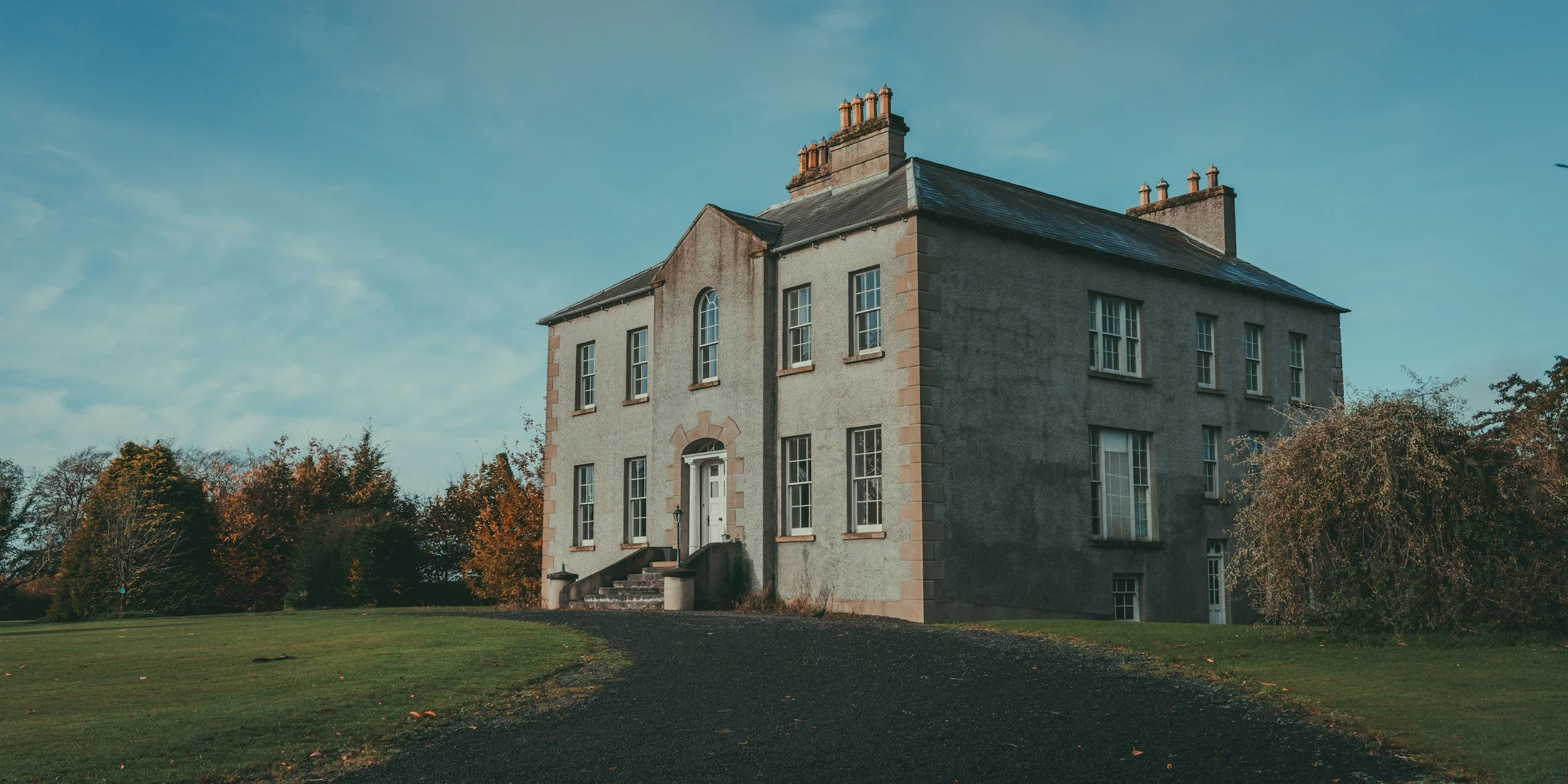
Most second-hand homes in Ireland are sold by private treaty, with offers made through the estate agent representing the seller. If another buyer makes a higher offer, you will generally be told where the bidding currently stands and given the opportunity to decide whether you want to continue.
The bidding can go back and forth several times — sometimes over a few days and sometimes over several weeks — until the seller ultimately decides which offer to accept.
For American buyers, the process can feel quite different from bidding on a home in the U.S., particularly when it comes to the pace and visibility of competing offers.
Here's how it works.
How Does Bidding on a House in Ireland Work? 7 Steps
Submit your offer. Make a bid through the estate agent representing the seller.
Show you're ready to buy. Provide proof of funds or mortgage Approval in Principle (AIP), as requested.
The agent records your offer. Your bid is communicated to the seller.
Competing bids come in. You'll generally be told when the price increases and can decide whether to bid again.
The seller chooses an offer. The highest bidder will usually win, but the seller can consider other factors.
The property goes Sale Agreed. Once your offer is accepted, you'll typically pay a booking deposit.
The legal process begins. Sale Agreed isn't legally binding; contracts and due diligence still need to be completed.
That's the basic process. The details are where things get more interesting.
How do you make an offer on a house in Ireland?
Offers are made through the estate agent representing the seller. Depending on the agent and how they manage the bidding process, you'll typically submit your offer through an online bidding platform or by email, although some agents also accept offers over the phone.
When submitting an offer, the selling agent will generally request evidence that you're in a position to proceed. For a cash buyer, this will typically mean proof of funds; for a buyer using financing, mortgage Approval in Principle (AIP).
Once you make an offer, the agent records it and communicates it to the seller. If there are other interested buyers, the agent will generally notify them of the new bid and give them an opportunity to respond.
From there, it can become a back-and-forth process. If another buyer increases the price, you'll generally be told where the bidding now stands and can decide whether you want to continue.
There is no standard bidding increment. Depending on the price of the property and the stage of the bidding, the next increase might be €1,000, €5,000, €10,000 or something else entirely.
One important thing to remember is that the selling agent represents the seller. Their role is to communicate the bids, advise their client and work toward the best outcome for the seller.
Is bidding on houses in Ireland transparent?
Coming from the U.S. real estate industry, this is actually one aspect of the Irish system that I like.
In many competitive U.S. transactions, buyers are effectively bidding blind. You may know there are multiple offers, but you generally don't know what the other buyers have offered. If your offer is competitive, you may be given an opportunity to improve your price or terms, sometimes through a request for your highest and best offer. But you're still largely guessing what it will take to win.
In Ireland, you generally have much more visibility into where the bidding actually stands.
If the current bid is €700,000 and another buyer increases it to €715,000, you'll generally be told the new bid and can decide whether you want to continue. With some online bidding platforms, you can even follow the progression of bids directly.
Rather than moving quickly to a highest-and-best scenario, Irish bidding often involves several rounds of competing offers. A best-and-final request may come later, particularly when several active bidders remain and the seller wants to bring the process to a conclusion.
There is regulation behind the process as well. Licensed estate agents are regulated by the Property Services Regulatory Authority (PSRA) and are required to maintain records of offers received on private-treaty sales. Bids must also be acknowledged to the bidder in writing, and an agent cannot claim or imply that an offer exists when one has not actually been received.
Another important difference is how offers are submitted. In the U.S., an offer is typically a formal package that includes price, financing, contingencies, deposit and proposed closing terms. In Ireland, submitting a bid is generally much simpler, with the initial bidding process focused primarily on price.
For me, the greater visibility into competing bids is one of the advantages of the Irish system. It doesn't eliminate the competition or emotion, but it allows buyers to make more informed decisions about their next offer rather than simply guessing what someone else may have bid.
How do you know what a house in Ireland is worth?
The asking price is a starting point, but once bidding begins, the current bid can quickly become the more relevant number.
A property may be listed at €650,000 but already have a current bid of €685,000 by the time you become interested. At that point, offering the asking price isn't really an offer the seller is likely to consider — you're entering an existing bidding process.
The bigger question becomes: what is the property actually worth?
This can be more difficult to determine in Ireland than many American buyers initially expect.
In the U.S., I was accustomed to having access to extensive property information when analysing comparable sales. Ireland has the Residential Property Price Register, which records the sale price, date and address of residential properties, but the information is fairly limited.
Daft and MyHome have improved their sold-property data and can provide additional information where it's available, but you still won't always have access to the original listing, interior photos, condition or other details that help explain why one property sold for more or less than another.
We still look at recent sales, competing properties, condition, location and what's happening in the local market. The bidding itself provides another useful piece of information: if several buyers continue competing around a certain price level, the market is telling you something about demand for that particular property at that moment.
Ultimately, the same principle applies in Ireland as anywhere else: a home is worth what a buyer is willing to pay and a seller is willing to accept.
For our clients, the more important question becomes:
What is this particular property worth to you, and at what price are you prepared to walk away?
Does the highest bidder always win in Ireland?
Usually, but not always.
In most competitive bidding situations, the highest offer will ultimately be the one the seller accepts. But the seller is not required to accept the highest bid, and sometimes the strength of the buyer's overall position can make a difference.

A cash buyer may be attractive because there is no mortgage dependency. A buyer who doesn't need to sell another property first may be preferable to someone in a chain. Mortgage approval, timing and flexibility around the closing can all matter too.
One thing I've found particularly important in Ireland is certainty. Going Sale Agreed doesn't guarantee that a transaction will close, and sellers and their agents know that. A buyer who appears organised, committed and ready to proceed can therefore be attractive, particularly when competing offers are relatively close.
That's why we try to have our clients properly positioned before serious bidding begins. We make sure the selling agent understands our client's circumstances and knows they are organised, committed and in a position to proceed.
Price usually leads the conversation, but certainty can sometimes help win it.
What happens after your bid is accepted?
Once the seller accepts your offer, the property will typically move to Sale Agreed, and you will usually pay a booking deposit to the selling agent.
For American buyers, the important thing to understand is that Sale Agreed is not legally binding in Ireland. The booking deposit is generally refundable until binding contracts are in place, and either the buyer or seller can still withdraw before that point.
There is also one final consideration from a bidding perspective: if another offer is received before contracts are signed, the selling agent is generally required to communicate it to the seller. If the seller then accepts a higher offer from another buyer, this is known as gazumping.
That doesn't mean another buyer will necessarily appear or that the seller will entertain a higher offer after agreeing a sale. But the transaction isn't legally secure simply because you've won the bidding and gone Sale Agreed.
This is one reason it's important to stay organised and responsive after your offer is accepted, working with your solicitor and other professionals to keep the purchase moving forward.
So having your offer accepted is a major milestone.
You've won the bidding — but you haven't bought the house yet.
How can a buyer's agent help with bidding in Ireland?
The estate agent marketing the property represents the seller.
As a buyer's agent, my role is the opposite: I represent the buyer.
That means speaking directly with the selling agent, asking questions about the competition, understanding the seller's position where possible, developing a bidding strategy and making sure our client's strengths are clearly presented.
There isn't one strategy that works for every property. Sometimes we want to make a strong offer early. Sometimes we move in smaller increments and see how another bidder responds. Sometimes patience is the better approach. And sometimes the best advice I can give a client is to stop bidding and let the property go.
One of the biggest challenges with Irish bidding, particularly for American buyers, is how drawn out the process can become. After several weeks of competing offers, it's easy to get emotionally invested and lose sight of what the property is actually worth to you. Another €5,000 or €10,000 can suddenly feel insignificant when you've already invested so much time and energy.
That's when we encourage our clients to step away from the competition for a moment and focus on a number that makes sense for them. We want to reach a price they'd be comfortable winning at — and losing at. Sometimes that means making one more bid. Sometimes it means knowing when to walk away.
For U.S.-based buyers, another important part of our role is setting expectations before the bidding even begins.
We've been through the Irish buying process ourselves, moving our family from California to Dublin and purchasing our own home here. We know firsthand how different the experience can feel when you're accustomed to buying property in the U.S., particularly the pace, the back-and-forth of bidding and the uncertainty that comes with it.
That experience has shaped how we work with our clients. We explain what to expect, how the process typically unfolds and what information we may or may not have along the way. It doesn't make bidding completely stress-free, but understanding the process before you're in the middle of it can certainly take the stress level down a bit.
And when you're making these decisions from thousands of miles away, having someone on the ground who understands both the Irish process and what you're accustomed to in the U.S. can make a real difference.
Because the objective isn't simply to win the bidding.
It's to buy the right property at a price that still makes sense once the excitement of the bidding is over.
If you're considering purchasing a home in Ireland and would like representation throughout the search, bidding and purchase process, you can learn more about our buyer representation services or get in touch to discuss your plans.